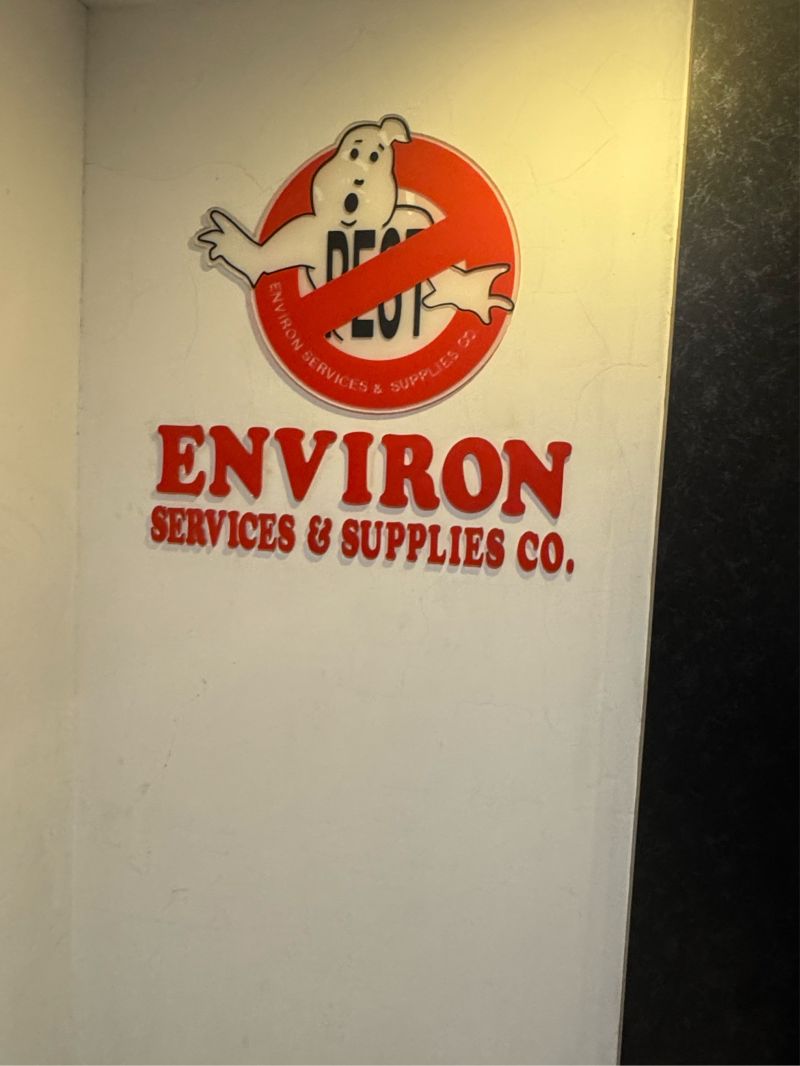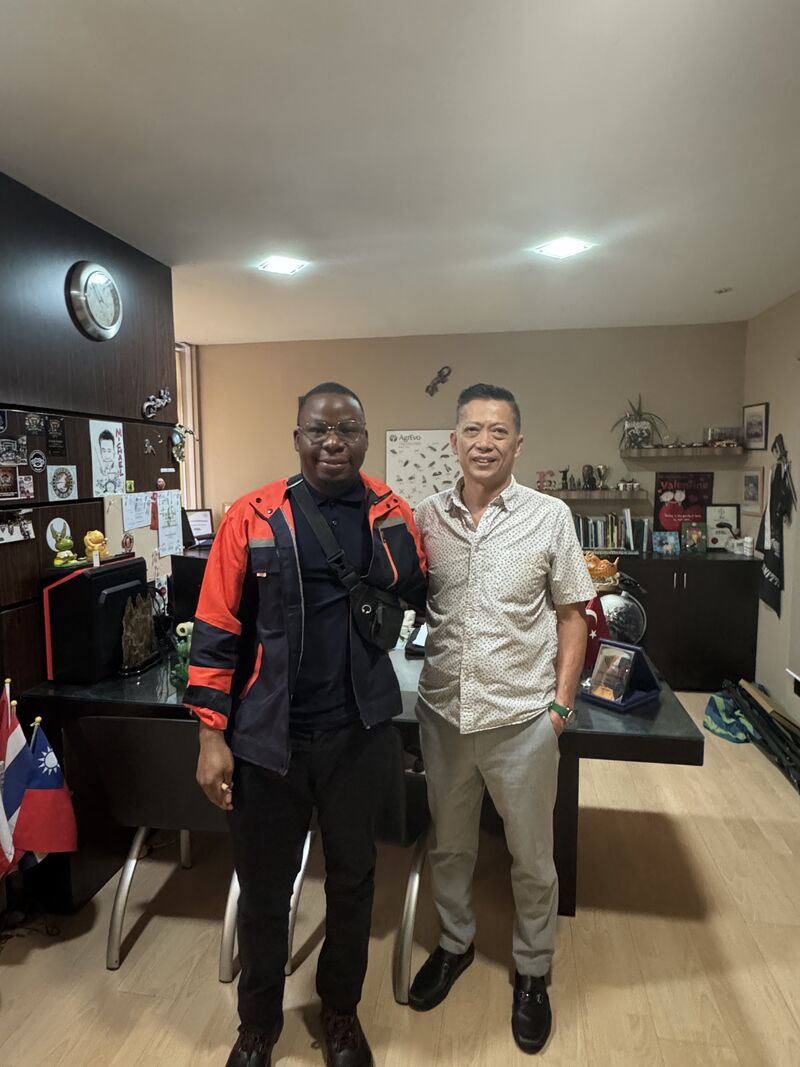
On 7 September 2026, I walked into Environ Pest Control in Malaysia with one main intention: to learn.
I had the opportunity to meet Mr Michael Lim, CEO of Environ Pest Control, who has spent more than 30 years working in Integrated Pest Management (IPM). Three decades in any business is a long time. In pest management, where customer expectations, pest problems, products and regulations continue to change, remaining in the industry for that long comes with lessons that cannot always be found in textbooks.
Our conversation went well beyond how to control pests...
Brian: You have been in the pest management industry for more than 30 years. What has helped you remain in the business for so long?
Mr Lim: "You have to be professional and consistent. Customers expect good service every time, not only the first time. The quality of your work matters, but so does the relationship you build with the customer."
Brian: So, technical knowledge alone is not enough?
Mr Lim: "Technical knowledge is very important, but pest control is also a service business. You are working in people's homes, offices and businesses. Customers need to trust you. How you communicate, how you conduct yourself and how you respond when they need you all matter".
That point caught my attention. A pest control company
may be called because of termites, cockroaches or rodents, but the customer is
also assessing the people who arrive to solve the problem. Did they arrive as
promised? Did they explain what they found? Did they work carefully? And,
perhaps most importantly, were they still available after the treatment?
I continued...
Brian: What about keeping customers? Many businesses can attract a client once, but keeping that client for years must be different.
Mr Lim: "It comes back to consistency. If customers know that they can rely on you, they will continue working with you. Long-term relationships are built gradually through good service".
Brian: In pest management, there is sometimes a tendency to think first about which pesticide to use. From your experience with IPM, how should a pest problem be approached?
Mr Lim: "You first need to understand the problem properly. You look at what pest is present, why it is there and what conditions are allowing it to survive. Then you decide on the appropriate way to manage it. It should not always begin and end with applying a chemical."
That is an important lesson. Sometimes the best pest-control
decision happens before the sprayer even comes out. A leaking pipe, an entry
point in a wall, poorly stored food or unmanaged waste may be doing more to
sustain a pest problem than anything else. Treating the pest without addressing
those conditions can simply mean meeting the same pest again later.
I didn't stop there...
Brian: Greenpath Agri Solutions is developing its pest management services in Malawi. From what you have learnt over the years, what should a growing company pay particular attention to?
Mr Lim: "Build the business around good service. Be professional, maintain your standards and look after your customers. Growth is important, but the quality of the service should remain strong as the business grows."
I left Environ Pest Control thinking about that last point.
It is tempting for a growing business to measure progress by the number of customers served, jobs completed or areas reached. Those things matter. But thirty years in business suggest another measure worth paying attention to: how many customers would confidently call you again?
Malaysia and Malawi are different markets, and what works in one place cannot simply be copied into another. But professionalism, consistency, good customer care and sound pest-management practices do not need a passport.
For Greenpath Agri Solutions, the visit offered something more useful than a list of business tips. It offered a glimpse of what long-term thinking looks like in practice.
I went there hoping to learn more about pest management. I came away with an equally important lesson about business: controlling the pest may solve today's problem, but earning the customer's trust is what brings you back tomorrow.
And perhaps that is how more than 30 years in an industry are built—not all at once, but one well-served customer at a time.